
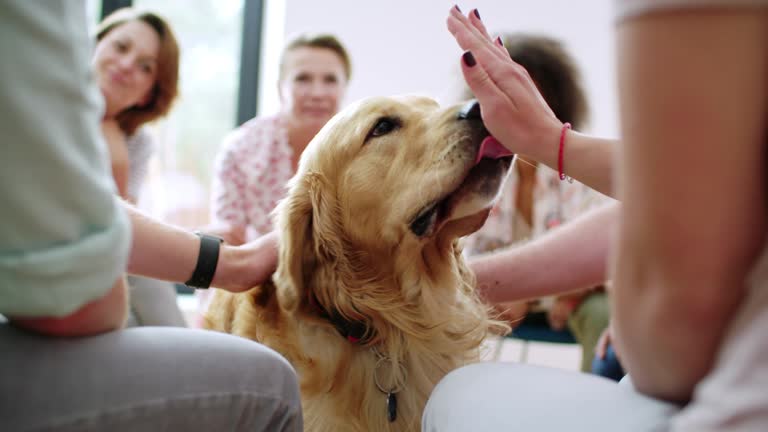
Losing a beloved pet can be one of the most heart-wrenching experiences a person can face. Pets are not just animals; they are companions, family members, and sources of unconditional love. When they pass away, the grief can feel overwhelming, and traditional support networks may not fully understand the depth of this loss. This is where pet grief counseling training comes in, providing professionals with the skills and knowledge to help individuals navigate the complex emotions surrounding pet loss. By learning how to support grieving pet owners, counselors can make a significant difference in the emotional healing process. The growing recognition of pet bereavement has made this specialized training increasingly valuable, both for those seeking to support others and for individuals who wish to deepen their understanding of grief.
Understanding Pet Grief and Its Emotional Impact
Grieving a pet is often accompanied by intense sadness, guilt, or even anger. People may struggle with feelings of helplessness or regret, especially if the pet suffered from illness or old age. Unlike grief over a human loss, pet grief can sometimes be dismissed or misunderstood by friends and family, leaving individuals feeling isolated. Emotional responses can include crying, loss of appetite, or even difficulty performing daily tasks. Recognizing these reactions is essential for anyone working in pet grief counseling. Professional training emphasizes empathy and validation, ensuring that counselors are prepared to meet clients where they are emotionally. Understanding the significance of the human-animal bond allows counselors to provide compassionate support and create safe spaces for individuals to express their grief fully.
The Role of a Pet Grief Counselor
A pet grief counselor is a trained professional who guides clients through the grieving process following the loss of an animal companion. These counselors provide a listening ear, emotional support, and practical coping strategies to help clients manage their feelings. They are trained to recognize the unique psychological and emotional needs of pet owners, including those who may be experiencing compounded grief due to other life stresses. Pet grief counselors often work with individuals, families, and sometimes even groups, helping them navigate anniversaries, rituals, and memorials that honor the pet’s life. The role requires patience, emotional intelligence, and a deep understanding of grief psychology. Counselors must also maintain professional boundaries while fostering a safe and compassionate environment. Their work often intersects with veterinary professionals, animal shelters, and other care providers to ensure comprehensive support.
Overview of Pet Grief Counseling Training Programs
Various pet grief counseling training programs are now available, catering to different learning styles and schedules. Many programs are offered online, providing flexibility for busy professionals, while others offer in-person workshops or hybrid models. Training programs typically cover essential topics such as the stages of grief, communication strategies, emotional support techniques, and ethical considerations. They also explore ways to handle complex grief situations, including sudden loss, euthanasia, and long-term illness. Certification programs may vary in length from a few weeks to several months, depending on the depth of training and practical experience required. Some programs include supervised practice sessions or role-playing exercises to prepare counselors for real-life scenarios. By completing such training, professionals gain the confidence and skills necessary to provide meaningful support to grieving pet owners.
Core Skills Developed in Training
Through pet grief counseling training, participants develop a range of valuable skills essential for effective counseling. These skills include:
- Active listening and empathetic communication
- Understanding the psychological stages of grief
- Providing personalized coping strategies for different clients
- Demonstrating cultural sensitivity and awareness
- Maintaining professional boundaries while showing compassion
- Identifying resources for clients, such as support groups and community services
- Recognizing signs of complicated grief that may require referral to mental health professionals
Developing these skills equips counselors to handle sensitive conversations with confidence and compassion. It also enables them to tailor support to each client’s emotional needs. By practicing these techniques, trainees learn to create a safe, nonjudgmental space where clients can process their grief openly. These skills are transferable and can also benefit counselors in other areas of mental health or caregiving.
Benefits of Completing Pet Grief Counseling Training
Completing specialized training in pet grief counseling offers multiple professional and personal benefits. It enhances emotional intelligence, helping counselors manage their own responses while supporting others. The training opens career opportunities in veterinary clinics, shelters, hospice care, and private practice. Professionals also gain credibility through certification, which demonstrates their expertise in this unique area of grief counseling. By offering compassionate support to pet owners, counselors contribute to community well-being and increase awareness of the importance of addressing pet loss. On a personal level, training provides tools for self-reflection, empathy, and effective communication that extend beyond professional applications. Graduates often report feeling more confident in their ability to guide clients through grief and provide lasting emotional support.
How to Choose the Right Training Program
Selecting the right pet grief counseling training program is crucial for ensuring comprehensive and effective learning. Consider the following factors:
- Accreditation and recognition of the program
- Experience and credentials of instructors
- Depth and structure of the curriculum
- Opportunities for practical application and supervised practice
- Course duration and flexibility
- Program reviews and testimonials from past participants
- Cost and availability of scholarships or financial support
Evaluating these factors carefully helps prospective counselors choose a program that aligns with their goals, schedules, and learning preferences. Programs that balance theoretical knowledge with hands-on practice tend to be the most effective. Additionally, connecting with alumni or professionals in the field can provide valuable insights into the program’s quality and outcomes.
Integrating Skills Into Professional Practice
Once trained, counselors can integrate their skills in various professional settings. Veterinary clinics may employ pet grief counselors to support clients through euthanasia or serious illness. Animal shelters can offer grief counseling for volunteers and adopters. Private practice provides opportunities to offer one-on-one sessions, workshops, and support groups. Counselors can also collaborate with mental health professionals to provide comprehensive care. Incorporating pet grief support into professional practice helps address an often-overlooked aspect of human emotional well-being. Through these services, counselors empower clients to process their emotions, honor their pets, and rebuild emotional resilience. This integration enhances professional credibility while offering tangible value to communities.
Overcoming Challenges in Pet Grief Counseling
While rewarding, pet grief counseling can be emotionally demanding. Counselors must manage their own emotional responses and prevent burnout. Difficult clients, such as those who deny their grief or display anger, may require additional patience and skill. Maintaining boundaries while showing empathy is essential to ensure professional effectiveness. Counselors may encounter grief complicated by other mental health issues, necessitating collaboration with licensed therapists. Continuous professional development, peer supervision, and self-care practices help counselors navigate these challenges. Training programs emphasize resilience strategies and coping mechanisms to equip counselors for long-term success. By proactively addressing challenges, counselors can maintain their well-being while providing high-quality support.
Future Trends in Pet Grief Counseling Training
The field of pet grief counseling is evolving rapidly. There is growing societal recognition that pet loss is a valid and impactful form of grief. Online courses and certification programs continue to expand, making training accessible to a wider audience. Technology is playing a role, with virtual counseling sessions and online support groups becoming increasingly popular. Community outreach and education initiatives are also emerging, raising awareness about pet grief and available support. As the field grows, there may be new opportunities for interdisciplinary collaboration between veterinarians, mental health professionals, and animal welfare organizations. These trends indicate a promising future for counselors seeking to specialize in pet grief support.
Frequently Asked Questions
Q1: Who can benefit from pet grief counseling training?
Anyone interested in supporting individuals through the loss of pets, including aspiring counselors, veterinary staff, shelter workers, and mental health professionals, can benefit.
Q2: How long does it take to complete a pet grief counseling program?
Program lengths vary, typically ranging from a few weeks for short courses to several months for comprehensive certification programs.
Q3: Is certification required to practice as a pet grief counselor?
Certification is not always legally required but enhances credibility and demonstrates specialized expertise to clients and employers.
Q4: Can skills learned in this training be applied to general grief counseling?
Yes, many of the emotional support and communication skills are transferable to broader grief and bereavement counseling contexts.
Q5: Are there online options for busy professionals or caregivers?
Many training programs now offer online or hybrid formats to accommodate flexible schedules and remote learning needs.
Q6: What personal qualities make someone suited for this type of counseling?
Empathy, patience, emotional resilience, strong communication skills, and a genuine love for animals are essential traits.
Takeaway
Pet grief counseling training equips professionals with the knowledge and skills to guide pet owners through one of life’s most emotionally challenging experiences. By combining empathy, communication skills, and specialized grief knowledge, counselors help clients process emotions, honor their pets, and find emotional healing. As awareness of pet bereavement grows, trained counselors are increasingly essential in veterinary clinics, shelters, and private practice. Completing this training not only opens meaningful career opportunities but also fosters personal growth and emotional intelligence. For anyone passionate about supporting others and improving community well-being, pet grief counseling training is a rewarding and impactful path.